
Hope Blog
How Water Play Supports Child Development in EYFS
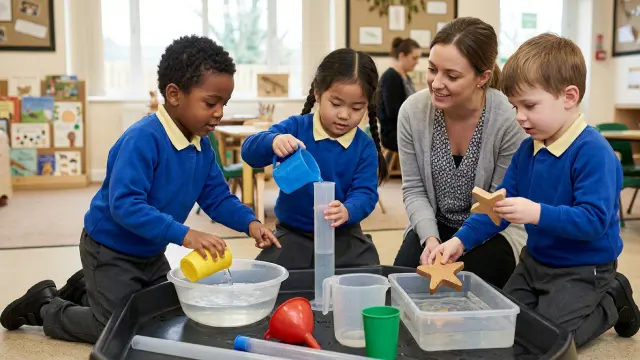
Water play supports child development in EYFS by giving children practical opportunities to pour, fill, transport, investigate and solve problems. These experiences can strengthen physical coordination, communication, early mathematical understanding, scientific thinking and cooperative play. With thoughtful adult support and suitable resources, a water area can become a purposeful, child-led part of continuous provision.
Rachel Pangburn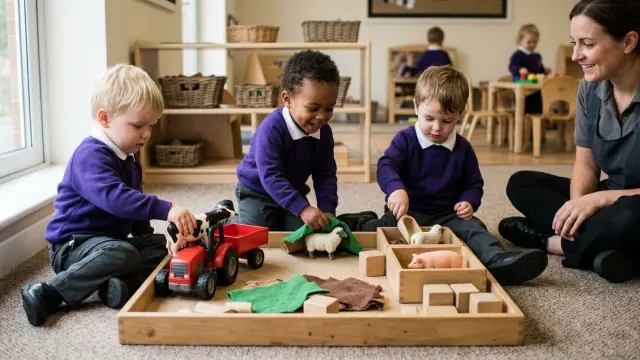
How to Set Up Small World Play for Different Age Groups
Small world play should reflect children’s development, interests and experience rather than relying on one fixed setup for every age group. Babies and toddlers need robust, easily handled resources for sensory exploration, while older Nursery and Reception children can manage more detailed figures, create narratives and construct their own environments. Careful observation should guide how provision develops.
Leah Smith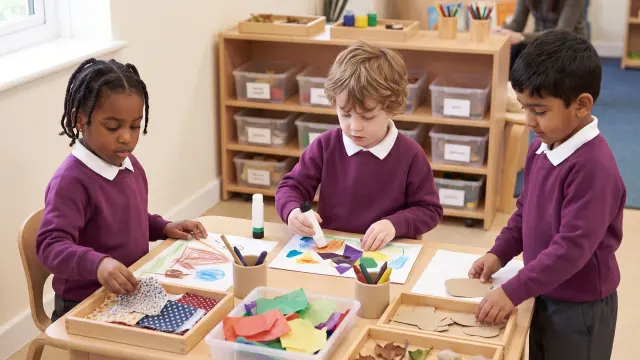
How to Organise an Early Years Art Area for Independent Use
An effective Early Years art area allows children to see, choose, use and return creative resources with increasing independence. Materials should be accessible, clearly organised and appropriate for the children using them. By offering purposeful choices, establishing manageable routines and protecting opportunities for experimentation, practitioners can support creativity without creating an unsafe, cluttered or overly adult-directed space.
Emma Davies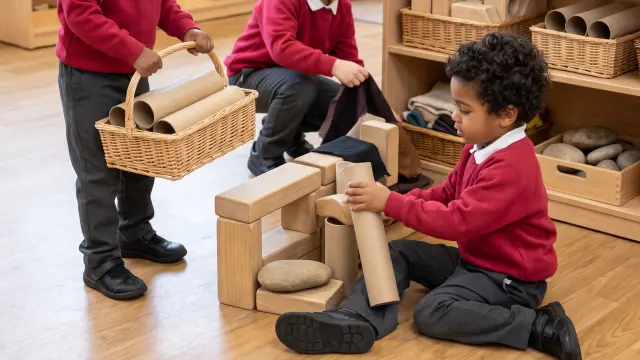
Storage Baskets for Loose Parts: An EYFS Setting Guide
Storage baskets help EYFS practitioners organise loose parts so children can see, choose, use and return resources independently. The most effective storage is accessible, clearly arranged and matched to children’s developmental needs. By selecting suitable baskets, limiting the number of materials available and reviewing provision regularly, settings can create calmer enabling environments without restricting open-ended play.
Sarah Jenkins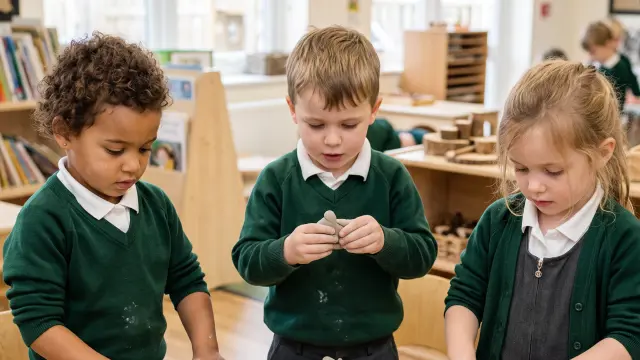
How Clay and Playdough Support Child Development in EYFS
Clay and playdough support child development by strengthening hand control, encouraging creative thinking and giving children a responsive material they can transform through touch. In EYFS provision, squeezing, rolling, pinching, joining and modelling can contribute to Physical Development and Expressive Arts and Design while also creating valuable opportunities for language, collaboration and imaginative play.
Emma Davies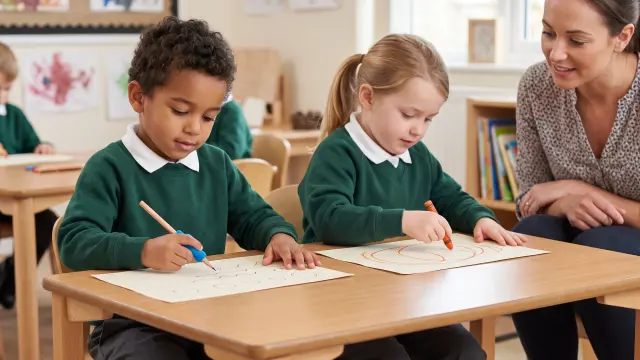
Pencil Grips and Fine Motor Development: What EYFS Settings Need to Know
Pencil grips can help some children hold and control writing tools more comfortably, but they are not a universal solution for developing an effective pencil grasp. EYFS settings should first provide varied opportunities to strengthen children’s hands, coordination and movement. Where a grip is introduced, it should respond to an identified need and be monitored carefully.
Clare Harrison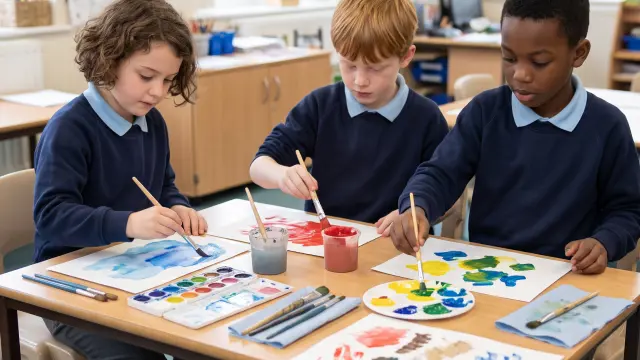
Types of Paint for EYFS and Primary School: What’s Suitable?
The most suitable paint depends on the children’s age, the technique being taught and the surface being used. Ready-mixed paint is a practical everyday choice for EYFS, while watercolours, powder paint, acrylic paint and specialist paints support different learning in primary art. Every product should be age-appropriate, correctly labelled and used with suitable supervision.
Rachel Lowe
Bring mystery-busting nature series Stan & Gran into your classroom this year!
Stan & Gran inspires young children to explore nature, develop critical thinking and discover wildlife through fun adventures.
Jon Mason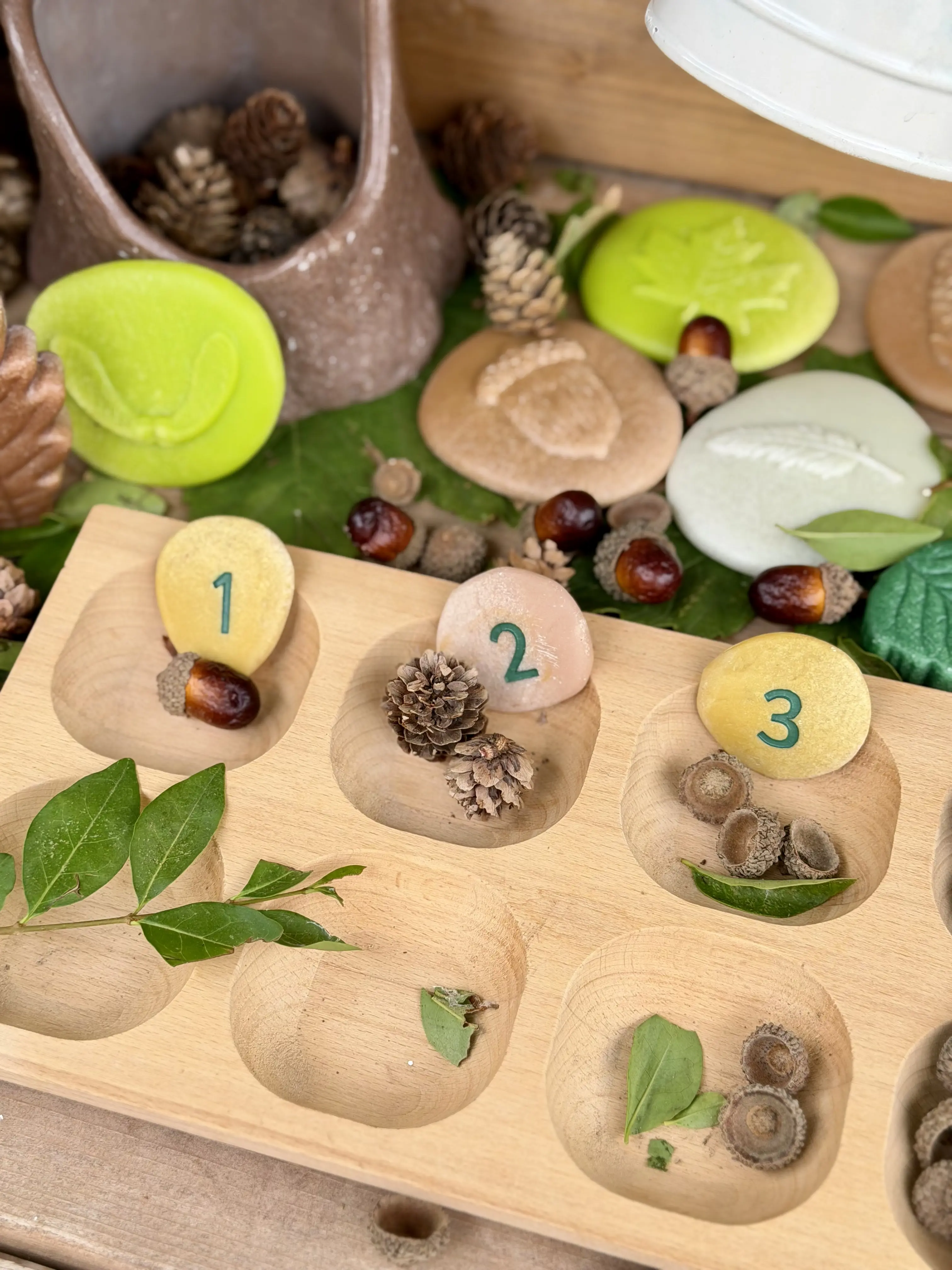
Bring autumn inspiration to their learning
Discover a few easy ways to bring play and learning to life, using natural autumn loose parts.
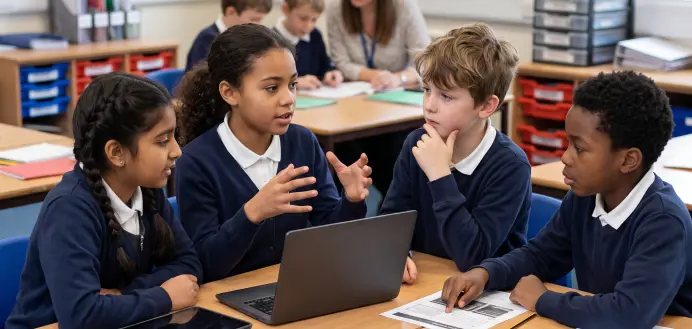
Digital Citizenship: Building Resilience, Not Just Rules
Explore how the CCC moves online safety beyond simple rules to develop true digital citizenship. Aligned to the Education for a Connected World framework, this article highlights how pupils build critical thinking, resilience, and responsible online behaviours through embedded learning and interactive Wayground assessments, empowering them to navigate the digital world with confidence.
Sarah Gorman
Hope Champions Free Resources to Keep Children Active This Autumn
Discover why backing a FREE movement initiative this autumn can help teachers settle their classes quickly.
Imogen Buxton-Pickles
Why Physical Computing is at the Heart of the CCC
Explore how the CCC uses physical computing and the micro:bit to bring coding to life. This article highlights how pupils progress from simple LED animations in KS2 to real-world projects using sensors, while developing problem-solving, resilience, and computational thinking skills. Perfect for schools looking to make better use of their micro:bit devices through structured, curriculum-aligned lessons.
Sarah Gorman