
Hope Blog
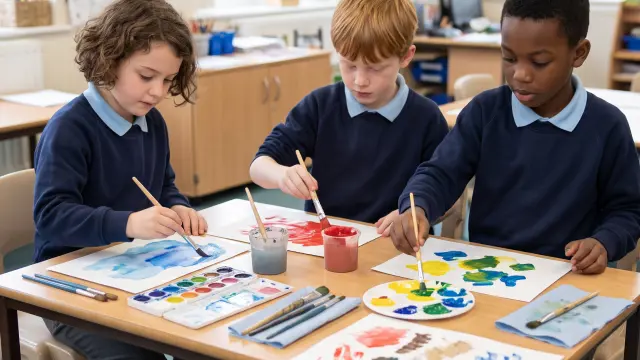
Types of Paint for EYFS and Primary School: What’s Suitable?
The most suitable paint depends on the children’s age, the technique being taught and the surface being used. Ready-mixed paint is a practical everyday choice for EYFS, while watercolours, powder paint, acrylic paint and specialist paints support different learning in primary art. Every product should be age-appropriate, correctly labelled and used with suitable supervision.
Rachel Lowe
Bring mystery-busting nature series Stan & Gran into your classroom this year!
Stan & Gran inspires young children to explore nature, develop critical thinking and discover wildlife through fun adventures.
Jon Mason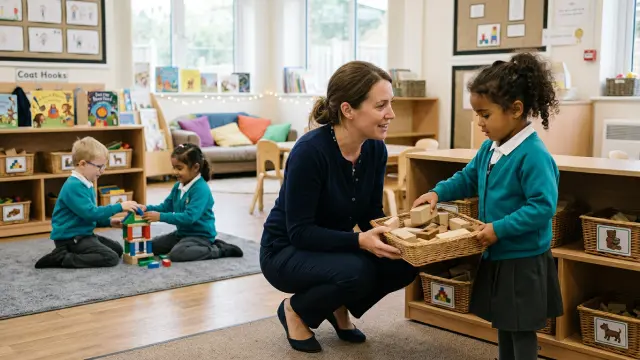
How to Prepare Your Reception Classroom for September
Preparing a Reception classroom for September means creating a calm, welcoming environment, gathering useful information from families and introducing routines gradually. Prioritise belonging, communication, accessible resources and predictable transitions. Children do not need to master the classroom immediately; they need time, reassurance and meaningful opportunities to explore, build relationships and understand their new environment.
Carla Bonner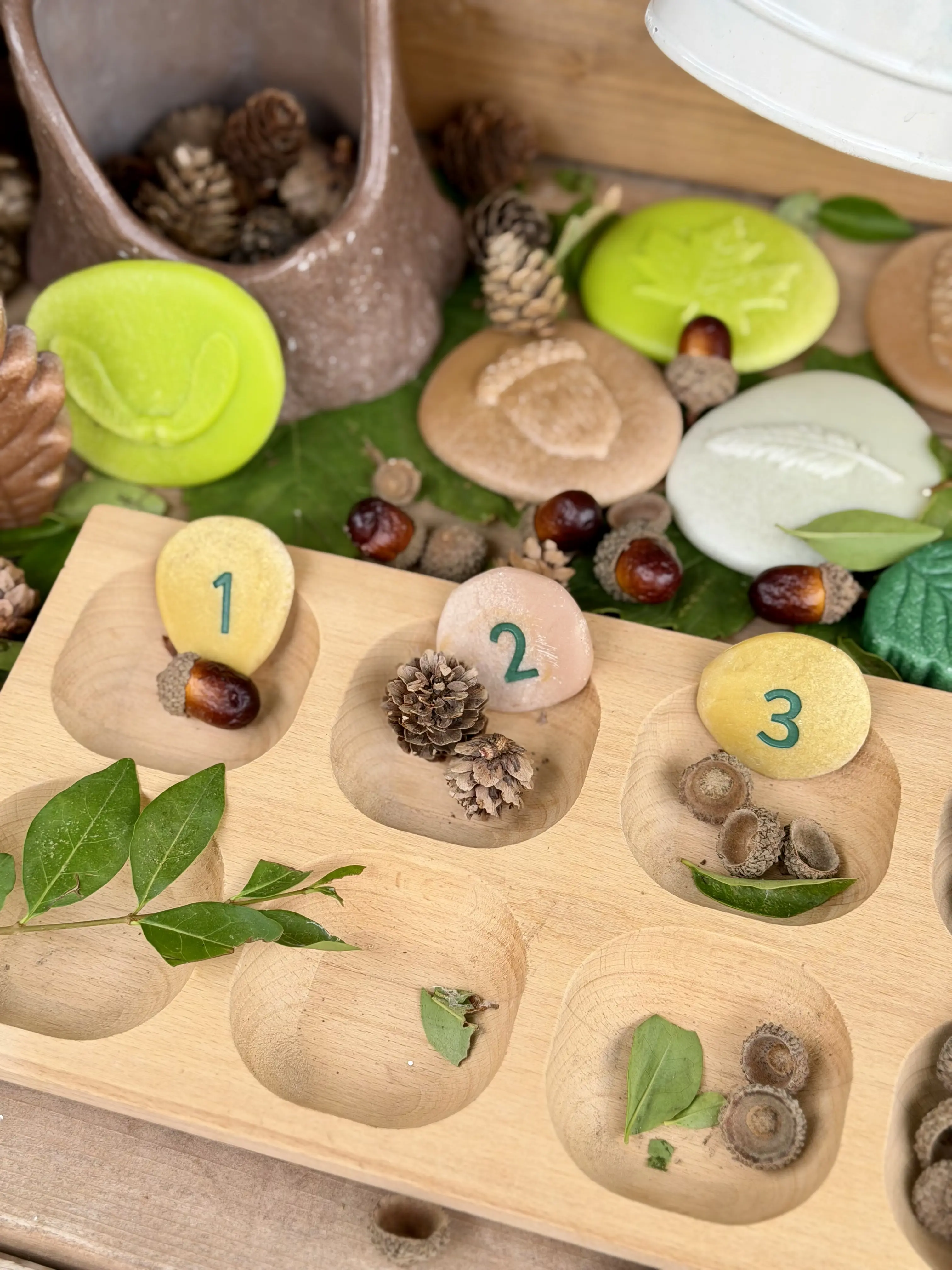
Bring autumn inspiration to their learning
Discover a few easy ways to bring play and learning to life, using natural autumn loose parts.
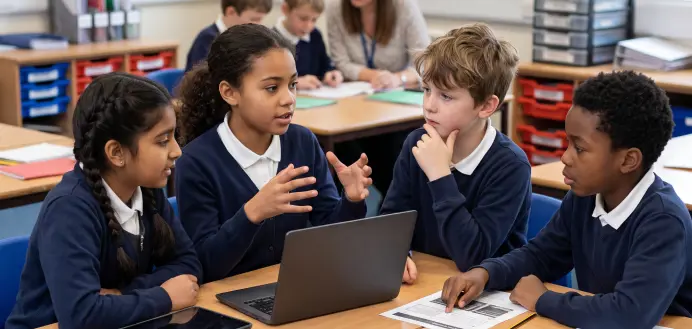
Digital Citizenship: Building Resilience, Not Just Rules
Explore how the CCC moves online safety beyond simple rules to develop true digital citizenship. Aligned to the Education for a Connected World framework, this article highlights how pupils build critical thinking, resilience, and responsible online behaviours through embedded learning and interactive Wayground assessments, empowering them to navigate the digital world with confidence.
Sarah Gorman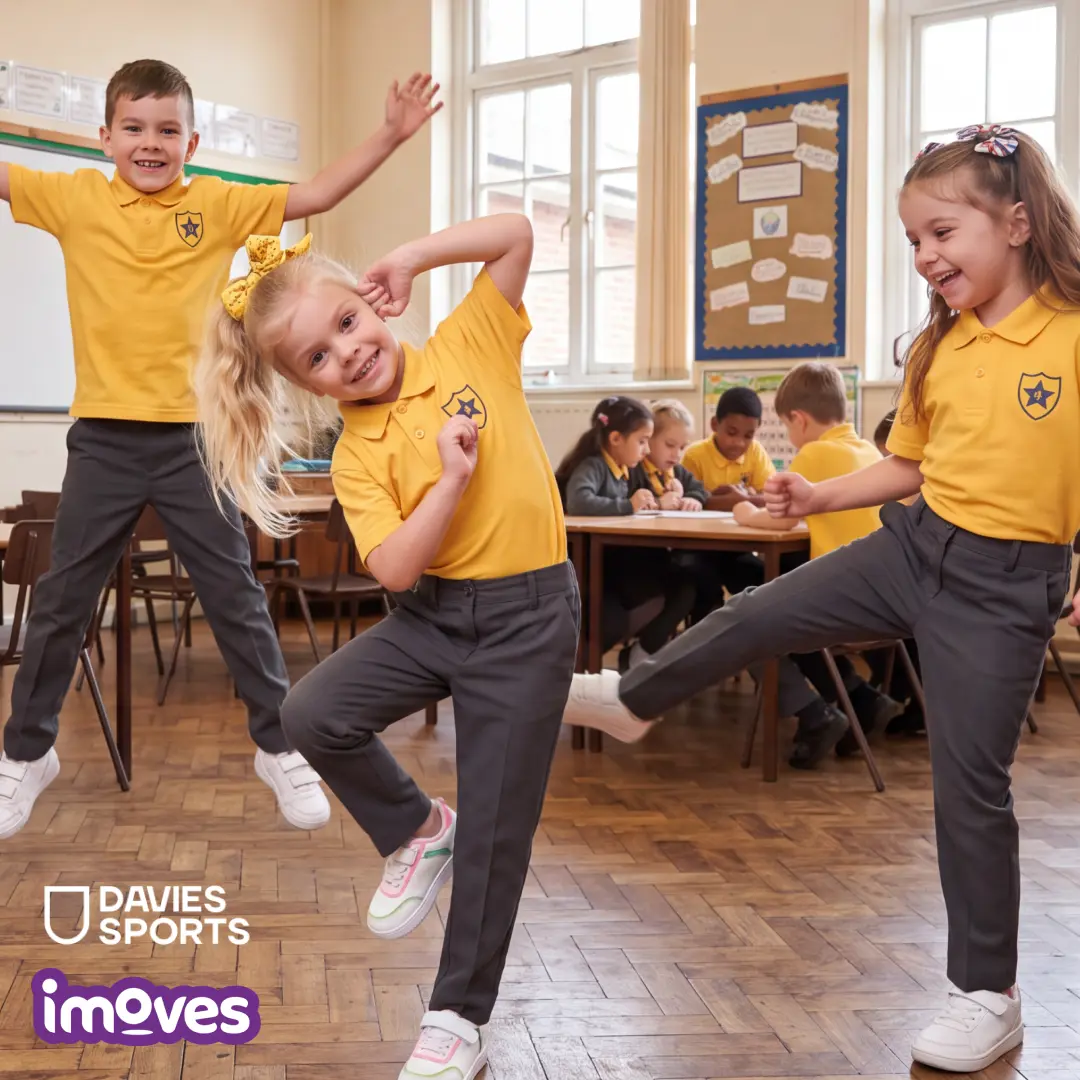
Hope Champions Free Resources to Keep Children Active This Autumn
Discover why backing a FREE movement initiative this autumn can help teachers settle their classes quickly.
Imogen Buxton-Pickles
Why Physical Computing is at the Heart of the CCC
Explore how the CCC uses physical computing and the micro:bit to bring coding to life. This article highlights how pupils progress from simple LED animations in KS2 to real-world projects using sensors, while developing problem-solving, resilience, and computational thinking skills. Perfect for schools looking to make better use of their micro:bit devices through structured, curriculum-aligned lessons.
Sarah Gorman
How Sand Play Supports the Seven EYFS Areas of Learning
Sand play can support all seven areas of learning in the EYFS by giving children a practical, open-ended way to communicate, collaborate, investigate, create and solve problems. With thoughtful adult interaction and carefully chosen resources, a familiar sand area can become purposeful continuous provision that responds to children’s interests and supports development across the whole curriculum.
Carla Bonner
The Teacher’s Secret Weapon: Reducing Workload Without Sacrificing Quality
Discover how the Connected Computing Curriculum (CCC), available through EuHu, helps primary teachers reduce planning workload while delivering high-quality computing lessons. Designed by educators, the CCC provides a complete toolkit including lesson sequences, assessment rubrics, progression mapping, and interactive Wayground quizzes.
Sarah Gorman
How Play-Based Learning Supports Early Maths in EYFS
Play-based learning supports early maths by giving children meaningful opportunities to count, compare, sort, build, measure and notice patterns. Through carefully planned play, children can handle mathematical ideas, test their thinking and explain what they observe. Skilled practitioners strengthen this learning by choosing purposeful resources, modelling precise language and knowing when to join, extend or observe play.
Natalie McMunn
Maths Resources for EYFS: A Practical Buying Guide
The best EYFS maths resources help children explore number, pattern, shape, space and measure through meaningful play. Settings need a carefully chosen range of manipulatives, everyday objects, games and open-ended materials rather than shelves filled with similar products. Resources should match the curriculum, children’s developmental needs and the mathematical thinking practitioners want to encourage.
Rachel Pangburn
Balls for EYFS and KS1 Physical Development: An Age-Matched Guide
The best balls for EYFS and Key Stage 1 match children’s current physical development rather than age alone. Larger, lighter and softer balls help beginners track, hold and control movement, while smaller or faster balls introduce greater challenge. A carefully planned range supports rolling, throwing, catching, kicking, coordination and confidence through purposeful, enjoyable physical play.
Christine Wheatcroft